
The Crisis in Healthcare: A Call for Change
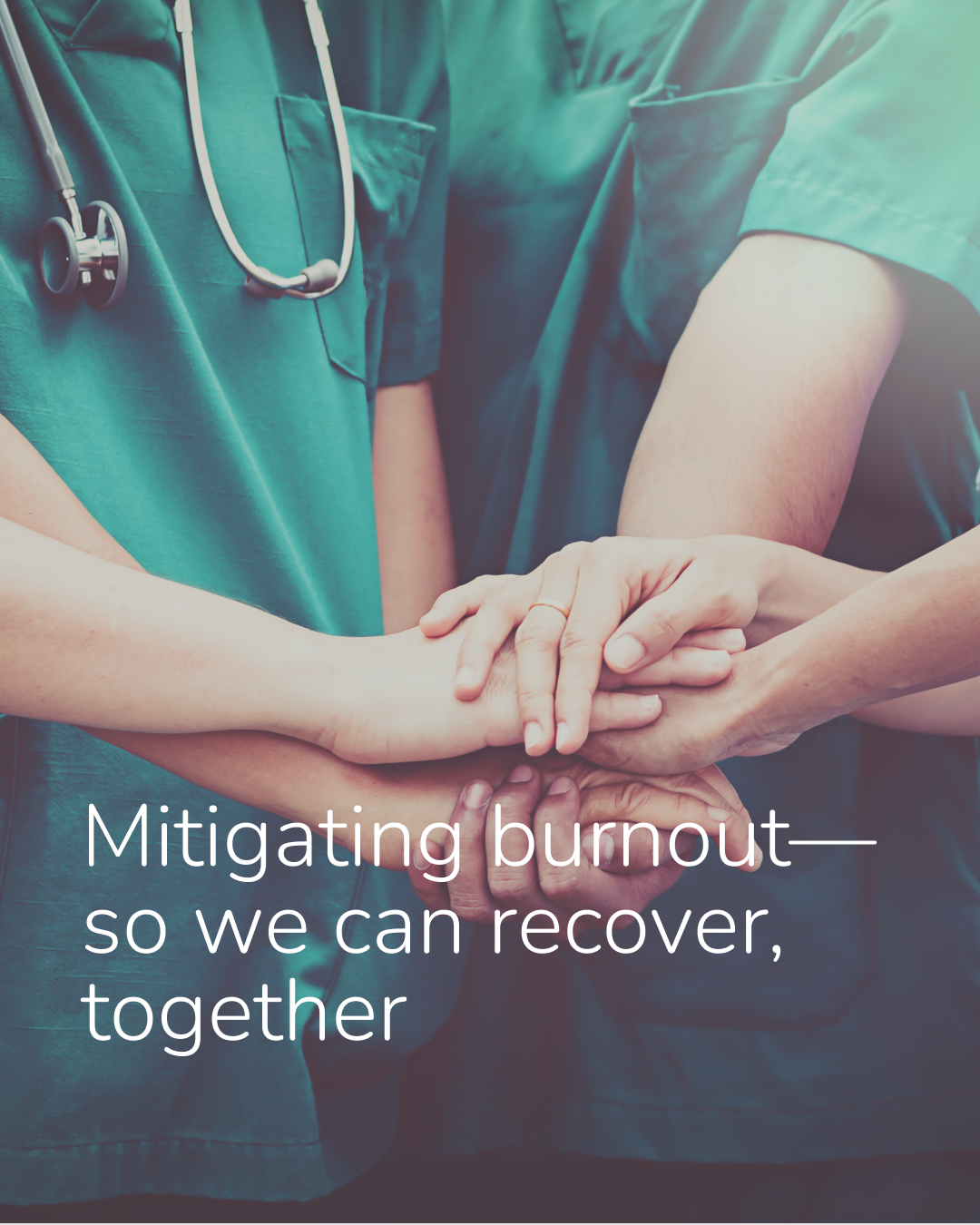
Mitigating Burnout Symptoms
Emotional Resilience Building
Our program equips healthcare professionals with strategies to manage stress and renew their emotional energy, ensuring they can continue to provide compassionate care.
Restoring Empathy and Connection
We focus on helping caregivers reconnect with their patients and colleagues, fostering a supportive and empathetic healthcare environment.
Reconnecting with Purpose
By guiding professionals back to their core motivations, we help them rediscover their passion for healthcare and enhance their sense of personal accomplishment.
The Fourfold Coaching Framework
8 Steps to Reignite Purpose and Mitigate Burnout
1
Understand Burnout
Explore the biological and emotional aspects of burnout to identify its root causes and manifestations.
2
Regulate Emotions
Learn techniques to calm the nervous system and manage emotional responses effectively.
3
Reconnect with Purpose
Rediscover the calling that led you to healthcare, reigniting your passion and commitment.
4
Shift from Curing to Healing
Reframe success in healthcare: healing is not only physical, it’s emotional and relational.
5
Redefine Self-Talk
Address guilt, fear of mistakes, and perfectionism through self-compassion and cognitive reframing.
6
Set Healthy Boundaries
Protect your Energy. Learn to serve from overflow, not depletion.
7
Restore Balance
Explore the biological and emotional aspects of burnout to identify its root causes and manifestations.
8
Regulate Emotions
Rebuild your nervous system. Design a self-care plan that actually recharges you.
The Impact of Burnout in Healthcare
Burnout affects over 60% of nurses and two-thirds of physicians, leading to significant emotional and financial costs.
%
Nurses and Physicians Report feeling Burnout
Physicians report wanting to leave their job
Annual loss due to Nurse turnover
%
Nurses report not getting support
Empower Your Healthcare Journey
Join our Fourfold Coaching program today and transform your career. Discover tools to combat burnout, enhance emotional resilience, and reconnect with your purpose. Take the first step towards a healthier, more fulfilling professional life.
Nurse Burnout & Turnover Data
NSI Nursing Solutions, Inc. (2023). National Health Care Retention & RN Staffing Report.
American Nurses Foundation & McKinsey & Company. (2023). Pulse on the Nation’s Nurses Survey Series.
– Found over 60% of nurses report burnout, and 67% report not receiving mental health or emotional support despite sustained levels of distress.
World Health Organization (WHO). (2019). ICD-11 Classification of Burnout.
– Defines burnout as a syndrome resulting from chronic workplace stress that has not been successfully managed, characterized by emotional exhaustion, depersonalization, and low personal accomplishment.
Physician Burnout Data
American Medical Association (AMA). (2023). AMA Organizational Well-Being Report.
– 63% of physicians report at least one symptom of burnout, and 1 in 5 plan to leave their current practice within two years due to stress and workload.
Mayo Clinic Proceedings. Shanafelt, T. D. et al. (2023). Changes in Burnout and Satisfaction With Work-Life Integration in Physicians, 2011–2023.
– Identifies a 40% rise in emotional exhaustion post-pandemic and highlights systemic contributors to physician burnout.
National Academy of Medicine (NAM). (2023). Taking Action Against Clinician Burnout: A Systems Approach to Professional Well-Being.
– Estimates $4.6 billion annual cost to the U.S. healthcare system due to physician burnout and turnover.
Cleveland Clinic Empathy & Communication Training Study. (2019).
– Found empathy and communication coaching reduced emotional exhaustion and improved care quality.